





- EOS R8 Mark II vs EOS R8: Which camera is right for you?
-

Hello!
We've noticed that you are in .
Visit Canon .
 Close
Close
Choose the EOS R8 Mark II if you want in-body image stabilisation (IBIS), pre-continuous shooting, advanced autofocus controls and additional creative video and image tools. Choose the EOS R8 if you prefer a lighter, more affordable full-frame camera and do not require those additional features. Both cameras share the same approximately 24.2MP full-frame sensor, DIGIC X processor and up to 40fps electronic shutter shooting.
Created to explore. Compact full-frame camera for everyday moments and travel stories. Lightweight, intuitive and ready when you are.
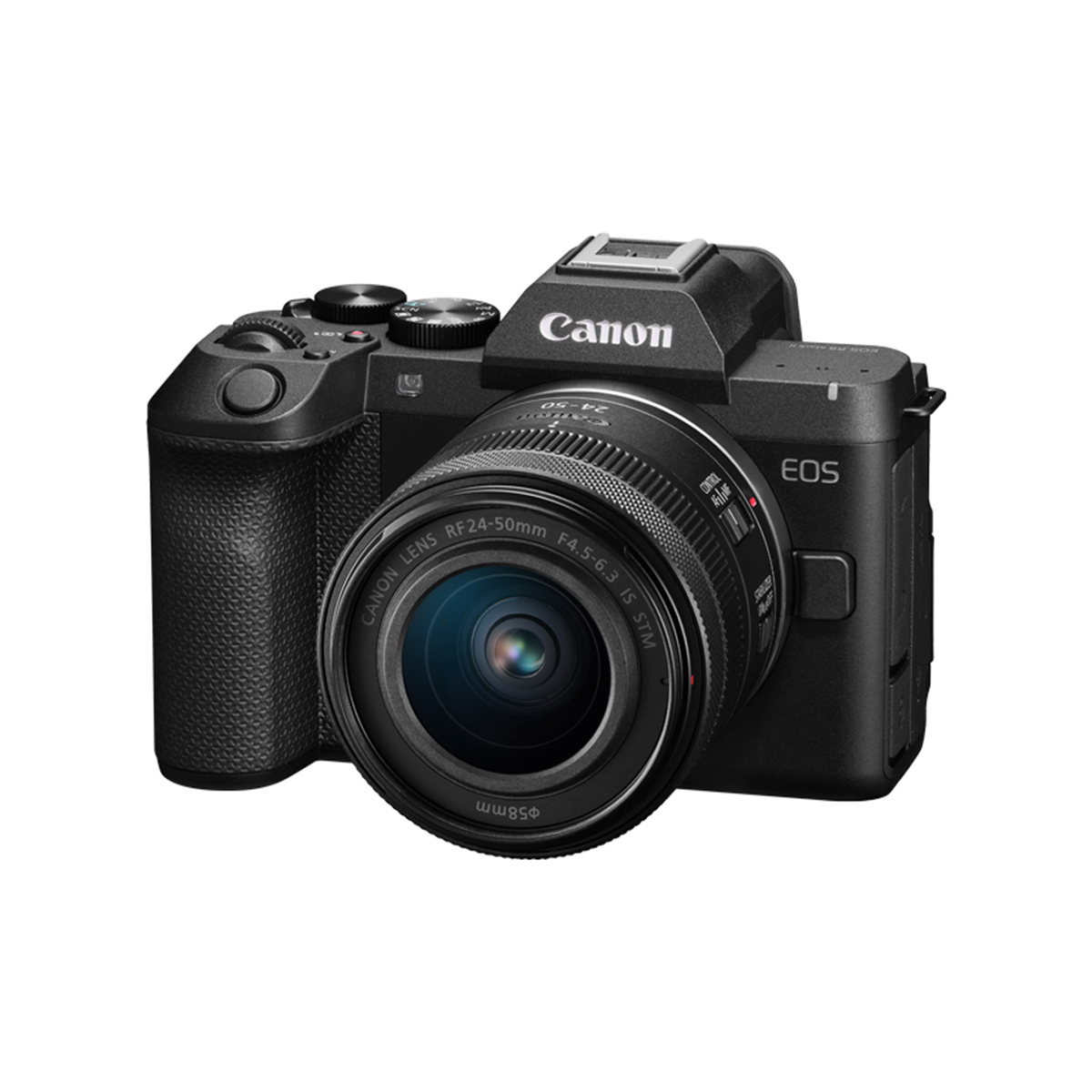
The EOS R8 Mark II is suited to photographers who want additional stabilisation, autofocus assistance and creative tools, while the EOS R8 is suited to those who prioritise portability and affordability.
Both cameras share the same core imaging platform, making either model capable of producing high-quality full-frame images. The decision is less about image quality and more about which features best support your photography style.
| If you want… | Consider |
|---|---|
| The lightest body | EOS R8 |
| A lower purchase cost | EOS R8 |
| Simplicity and portability | EOS R8 |
| In-body image stabilisation (IBIS) | EOS R8 Mark II |
| Pre-continuous shooting | EOS R8 Mark II |
| Additional video tools | EOS R8 Mark II |
| Expanded autofocus control | EOS R8 Mark II |
Key takeaway: Both cameras share the same imaging foundation. The EOS R8 Mark II adds functionality and creative flexibility. The EOS R8 remains a lightweight and straightforward full-frame option.
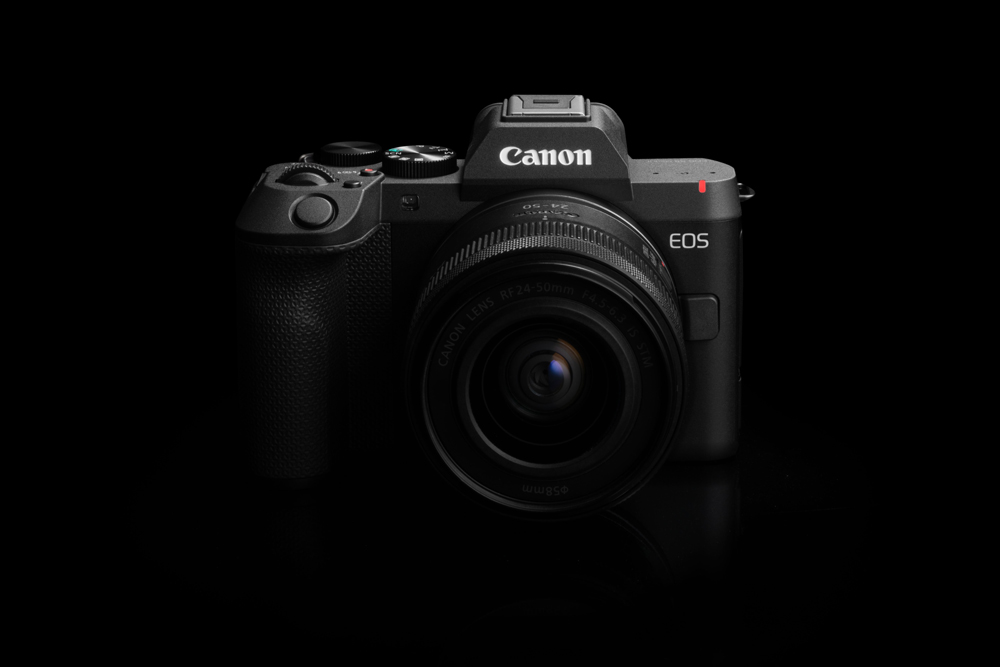
The EOS R8 Mark II builds on the EOS R8 by introducing stabilisation, autofocus refinements and additional creative tools, while retaining the same sensor and processor.
| Feature | EOS R8 Mark II | EOS R8 |
|---|---|---|
| Sensor | Approx. 24.2MP full-frame CMOS | Approx. 24.2MP full-frame CMOS |
| Processor | DIGIC X | DIGIC X |
| IBIS | Yes | No |
| Electronic shutter | Up to approx. 40fps | Up to approx. 40fps |
| Pre-continuous shooting | Yes | No |
| Register People Priority AF | Yes | No |
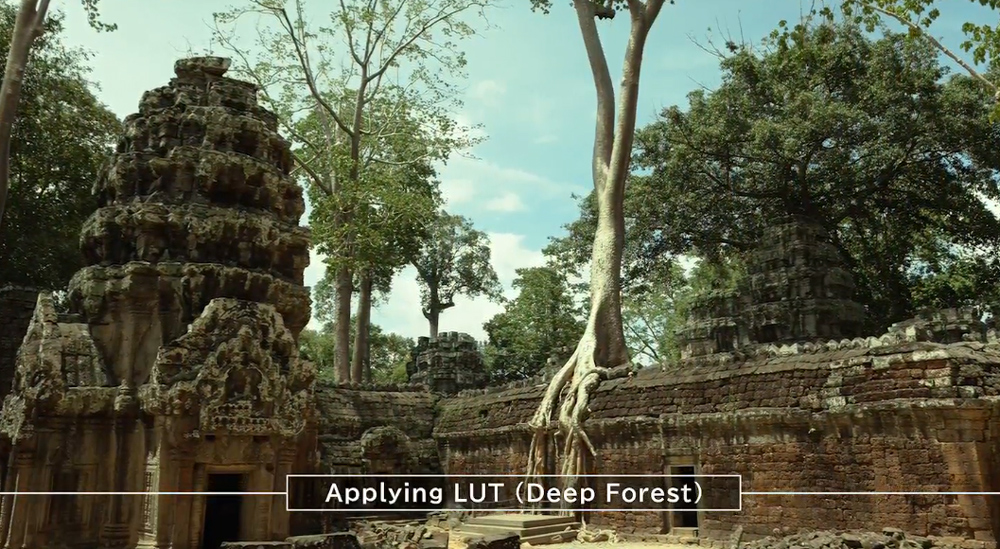
| Look File support (LUT) | Yes | No |
| Slow & Fast Motion movies | Yes | No |
| Canon Log 3 | Yes | Yes |
| Movie recording format | XF-HEVC S / XF-AVC S | MP4 |
In-body image stabilisation (IBIS) stabilises the image by moving the camera sensor to compensate for camera movement.
IBIS is one of the most significant differences between these two cameras. Photographers who frequently shoot handheld in challenging light may find the EOS R8 Mark II's IBIS particularly useful.
IBIS can be useful for:
| Consideration | EOS R8 Mark II | EOS R8 |
|---|---|---|
| Sensor-based stabilisation | Yes | No |
| Relies on lens stabilisation | Less dependent | More dependent |
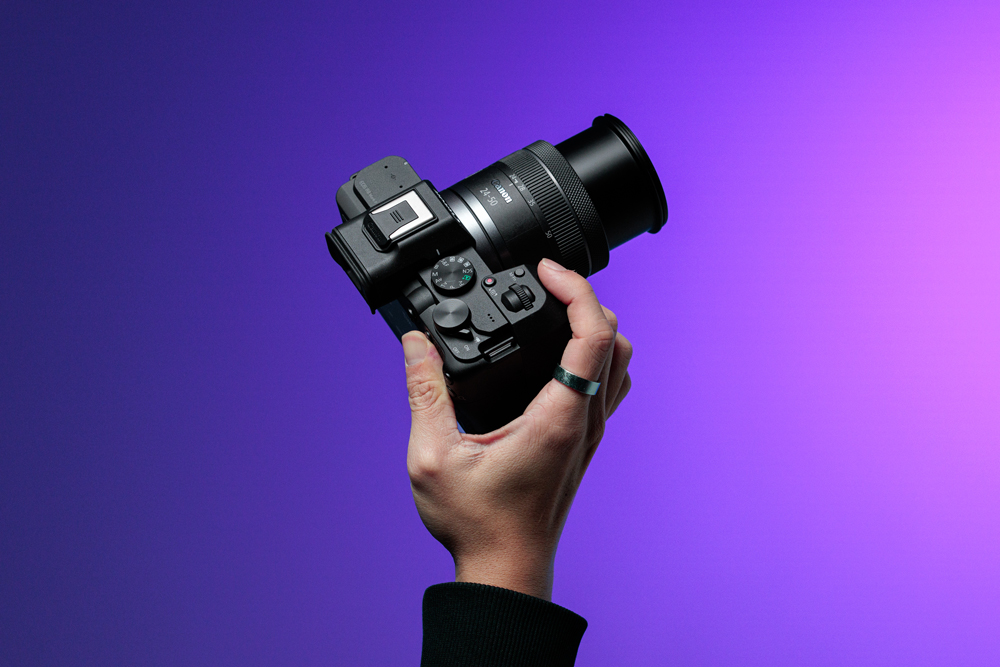
Pre-continuous shooting records images before the shutter button is fully pressed.
Both cameras can capture fast-moving subjects, but the EOS R8 Mark II adds pre-continuous shooting for additional timing flexibility and unpredictable moments such as:
| Feature | EOS R8 Mark II | EOS R8 |
|---|---|---|
| Electronic shooting | Up to approx. 40fps | Up to approx. 40fps |
| Pre-continuous shooting | Up to 20 frames before shutter press | No |
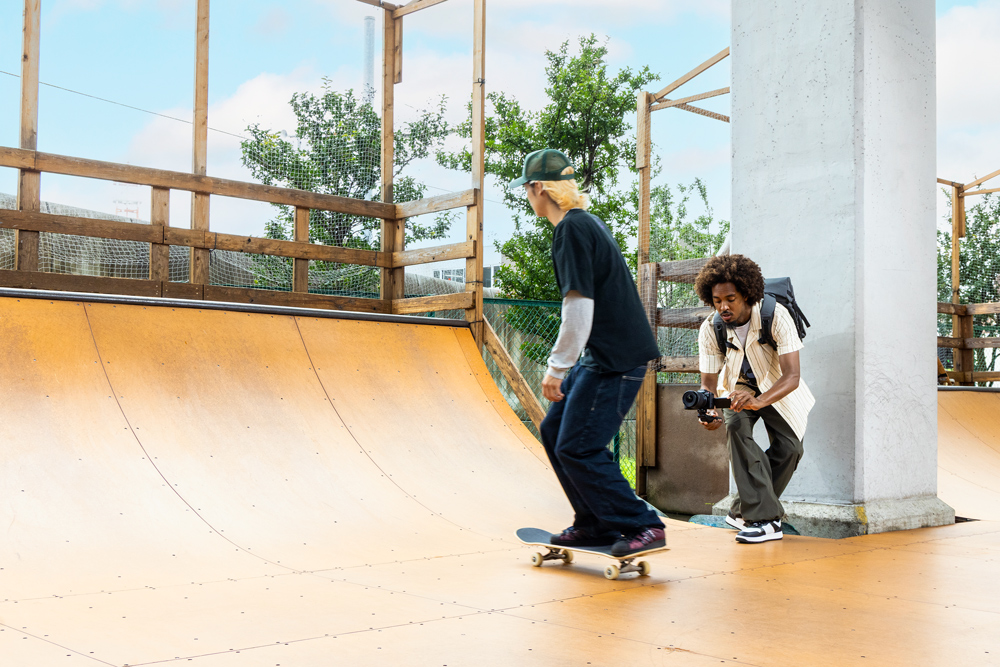
Both cameras use Dual Pixel CMOS AF II, but the EOS R8 Mark II adds Register People Priority for greater control over subject prioritisation, plus a multi-control joystick for quick and intuitive AF point selection.
| Feature | EOS R8 Mark II | EOS R8 |
|---|---|---|
| People detection | Yes | Yes |
| Animal detection | Yes | Yes |
| Vehicle detection | Yes | Yes |
| Register People Priority AF | Yes | No |
| Multi-controller joystick | Yes | No |
These additional controls on the EOS R8 Mark II can be useful when photographing specific people in busy locations, group events or travel situations.
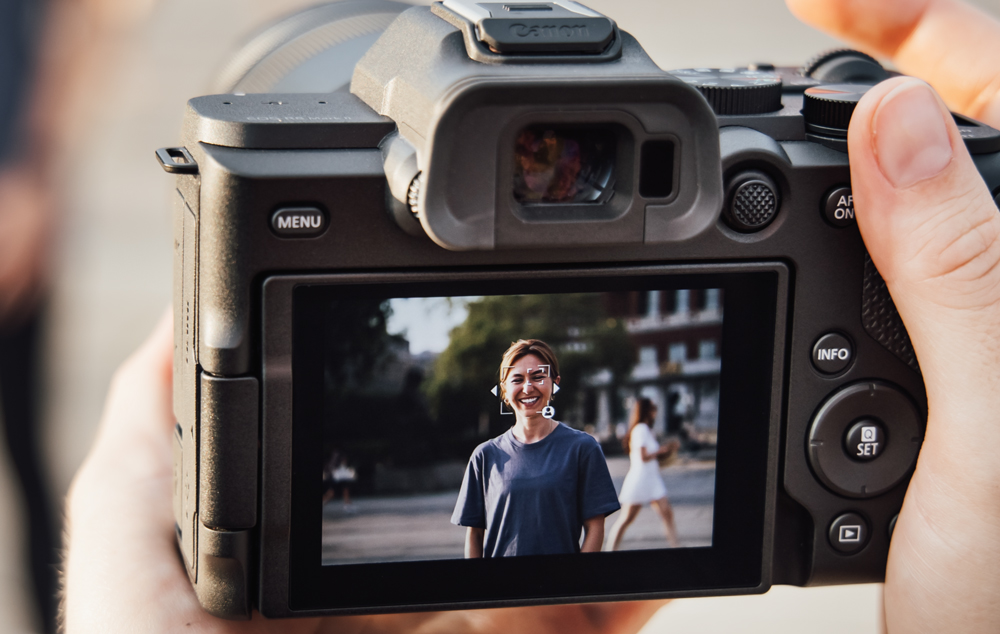
The EOS R8 Mark II introduces additional workflow and creative options for users who record video. Users who prioritise video workflows may benefit from the expanded toolset.
| Feature | EOS R8 Mark II | EOS R8 |
|---|---|---|
| Canon Log 3 | Yes | Yes |
| XF-HEVC S / XF-AVC S | Yes | No |
| MP4 recording | Yes | Yes |
| Slow & Fast Motion movies | Yes | No |
| Look File support (LUT) | Yes | No |
The value of these features depends on how frequently video is captured and how much creative control is required within the camera.
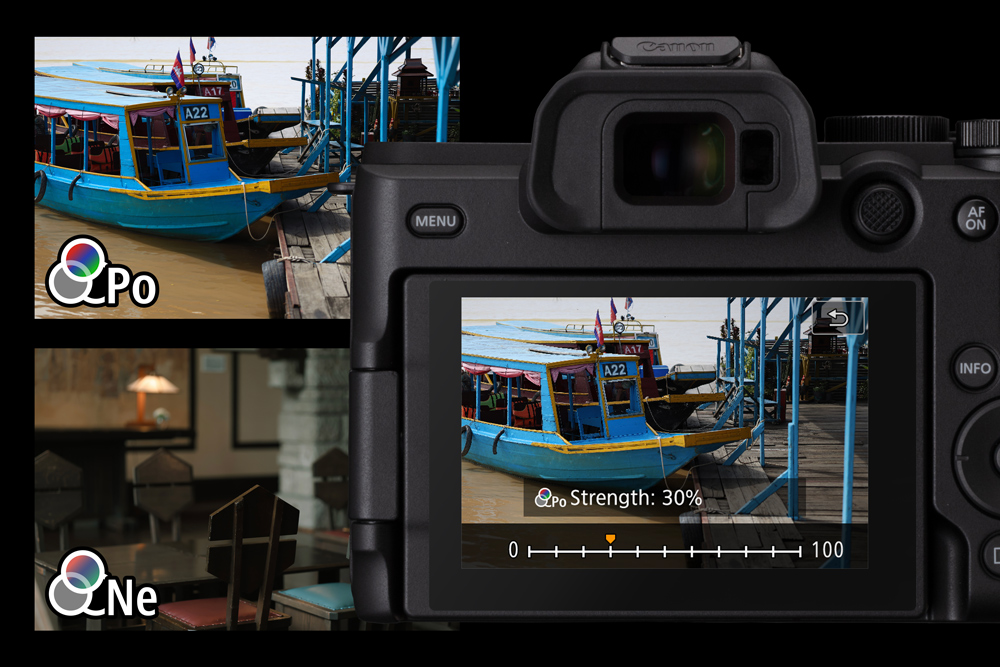
The EOS R8 Mark II expands in-camera creative possibilities through additional creative filters and adjustable filter strength that can be applied directly in camera.
| Feature | Description |
|---|---|
| Negative Filmtone | Film-inspired colour rendering that emulates negative film characteristics |
| Positive Filmtone | Film-inspired colour rendering that emulates positive film characteristics |
| Colour filter strength | Adjustable intensity from 0% to 100% |
These tools may appeal to photographers who prefer creating a specific look directly in camera rather than relying entirely on post-processing.
Creative preferences vary. Some photographers may prefer editing images later, while others may prefer the convenience of in-camera creative controls for a faster workflow.
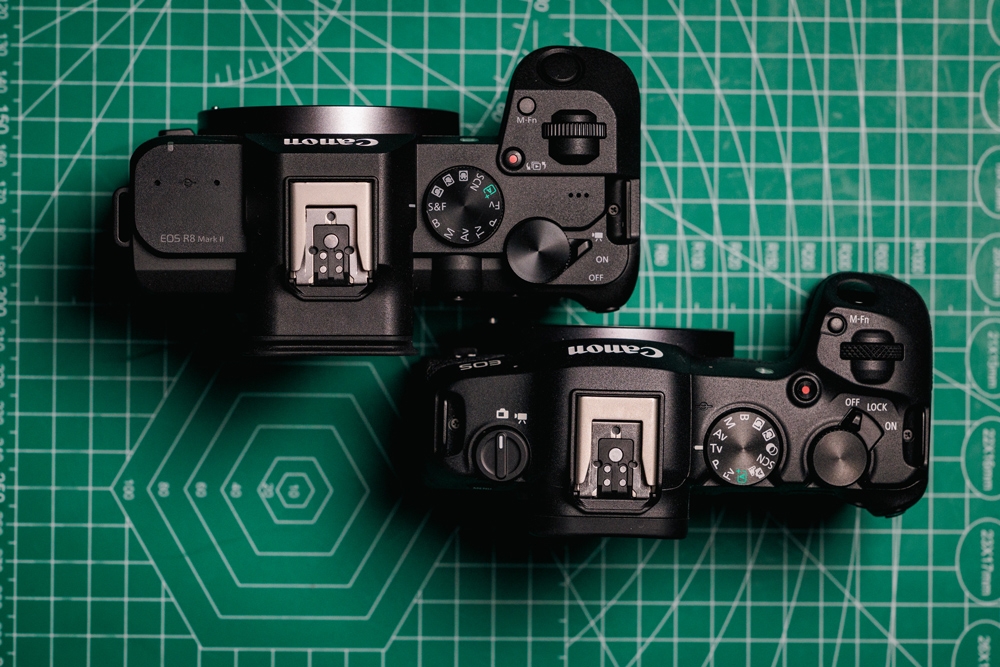
The EOS R8 is approximately 85g lighter, making it the more lightweight option, while the EOS R8 Mark II adds IBIS and additional functionality while remaining compact and portable. Both are well suited to travel and everyday photography, with the EOS R8 prioritising lightweight portability and the EOS R8 Mark II balancing portability with enhanced functionality.
| Specification | EOS R8 Mark II | EOS R8 |
|---|---|---|
| Dimensions (W × H × D) | Approx. 131.4 × 90.0 × 79.7mm | Approx. 132.5 × 86.1 × 70.0mm |
| Weight (inc. battery & card) | Approx. 546g | Approx. 461g |
Value depends on which features matter most to the photographer rather than on specifications alone.
Both cameras deliver the same full-frame imaging foundation. The EOS R8 Mark II adds stabilisation, autofocus enhancements and creative tools, while the EOS R8 remains a lightweight and cost-conscious alternative.
If you shoot handheld, action, or video, yes. IBIS, pre-continuous shooting, and expanded video/creative tools make a real difference - think a bird taking off in the wild, where you can't wait for the moment. If you mainly shoot stills in a controlled setting, like your pets at home, the R8 still delivers the same core image quality, so the upgrade is optional.
Both cameras use an approximately 24.2MP full-frame CMOS sensor and DIGIC X processor. As a result, their core image quality characteristics are broadly similar.
Yes. The EOS R8 Mark II includes in-body image stabilisation, while the EOS R8 does not.
Pre-continuous shooting captures images before the shutter button is fully pressed, helping photographers capture moments that occur before they react.
Yes. Canon Log 3 is available on both the EOS R8 Mark II and EOS R8.
The EOS R8 weighs approximately 461g including battery and card, compared with approximately 546g for the EOS R8 Mark II.
Yes, if you're shooting handheld or in the field. IBIS keeps footage steadier without a gimbal, and Look File (LUT) support lets you preview your creative colour grade on set in real time rather than guessing until post. For casual, tripod-based, or planned video setups, the standard R8 covers the same core video quality without those extras.
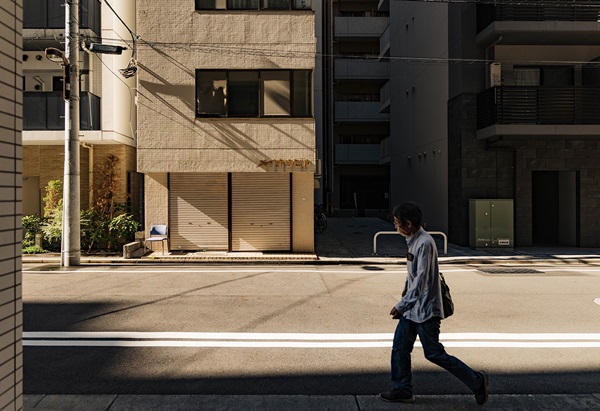
Learn how to use morning light, midday contrast, sunset colour and city lights with street photography tips inspired by Jeremy Ho’s Tokyo shoot.
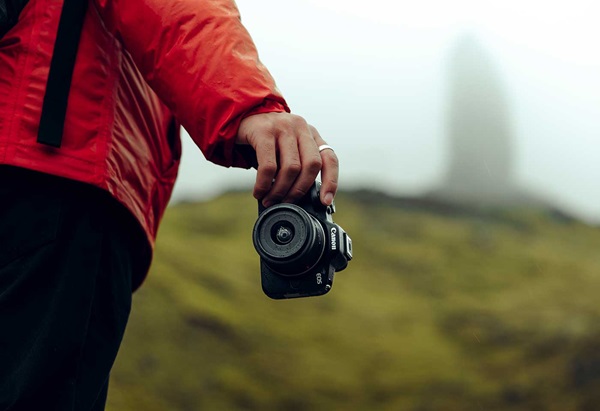
Full-time photographer and content creator, Wil Calabio, shares his travel must-haves and how he takes care of his camera gear while on the road.
With almost 200 countries in the world, how do you decide where to travel to first? We asked seven photography-loving adventurers to help you choose.