





- Street Photography Lighting Tips for Every Time of Day
-

Hello!
We've noticed that you are in .
Visit Canon .
 Close
Close
Street photography can be captured at any time of day, but changing light affects colour, contrast, mood and composition. From the long shadows of early morning to the illuminated streets of night, understanding how to work with different lighting conditions can help create stronger images. Here, Auckland-based photographer Jeremy Ho shares practical examples from Tokyo, drawing on his keen eye for light, place and everyday moments to explain how to adapt your approach throughout the day.
Morning light is often warm, low and directional. This makes it well suited to graphic shadows, simple compositions and quiet scenes. Look for a strong relationship between the light and the architecture, then wait for a person or detail to complete the frame.
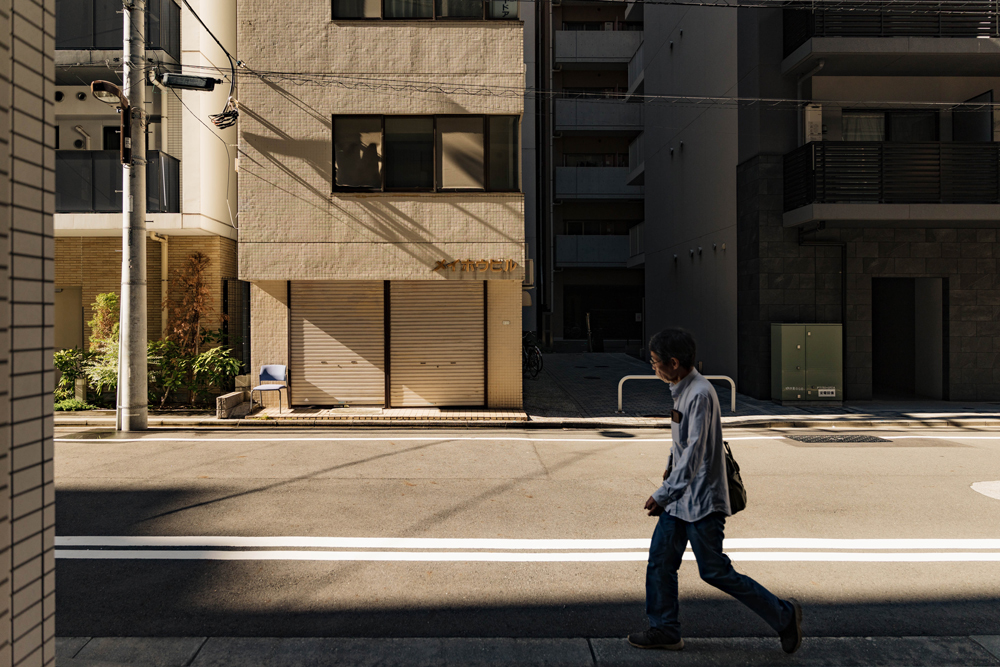
Settings: SS 1/500 f/2.8 ISO 100
Gear: RF 35mm f/1.4L VCM, Tripod
Lighting takeaway: Use straight lines and the rule of thirds to organise a street scene. Small traces of everyday clutter can keep a geometric composition feeling natural, while a person entering the light provides a clear focal point.
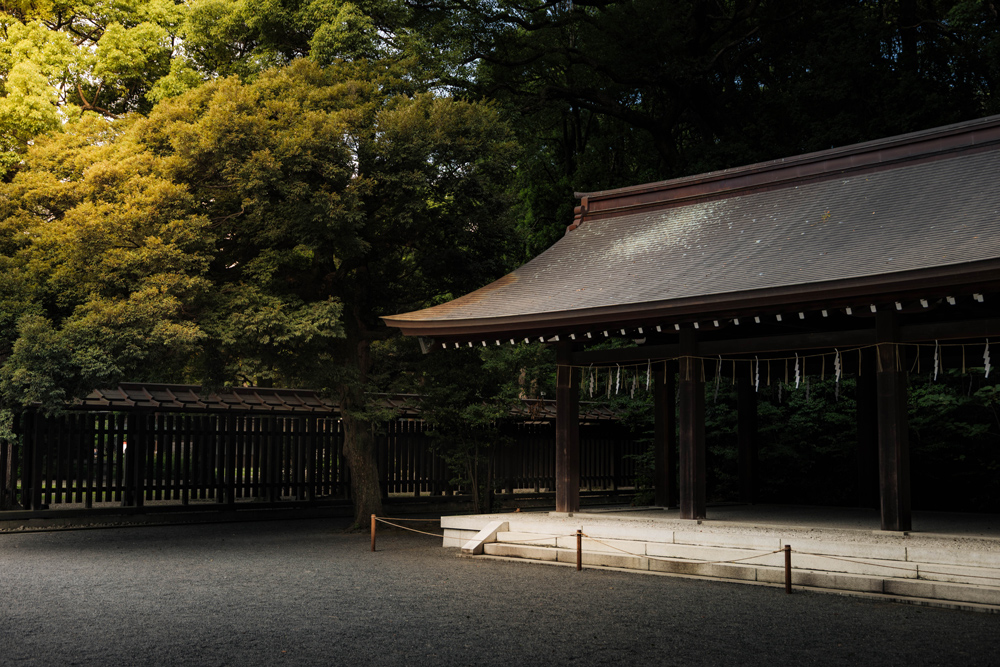
Settings: SS 2 f/10 ISO 100
Gear: RF 24-105mm f/2.8L IS USM Z, Tripod
Composition tip: Visit popular locations outside peak periods and look for light that simplifies the scene. Warm morning tones and areas of shadow can help create a calm, minimal composition where the light becomes the subject.
Midday sun can be bright and unforgiving, but it can also produce clean shapes, bold colour and strong separation. Rather than trying to make hard light look soft, use the contrast to control where the viewer looks.
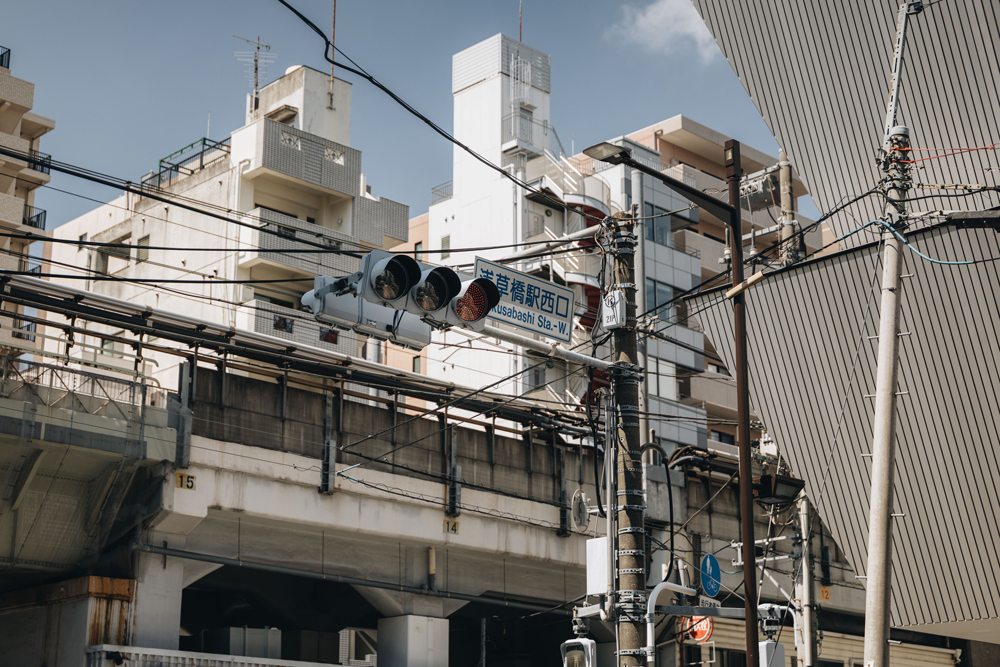
Settings: SS 1/2000 f/5 ISO 100
Gear: RF 24-105mm f/2.8L IS USM Z, Handheld
Why this image works: In a visually dense street, hard light can separate overlapping signs, structures and people. Build the frame in layers and use the brightest areas to guide the eye through the composition.
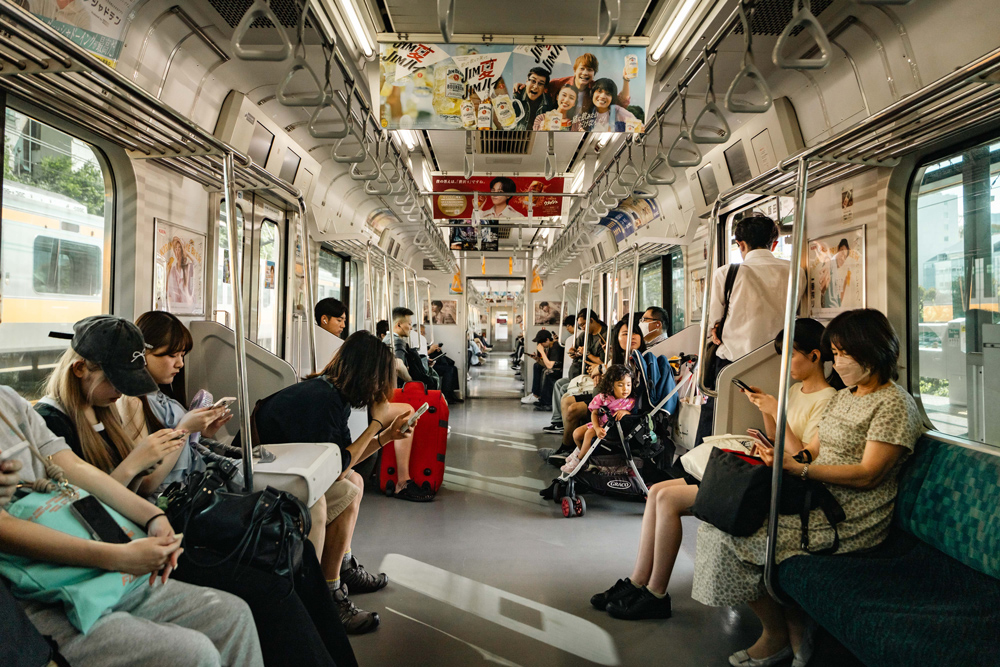
Settings: SS 1/640 f/2.8 ISO 100
Gear: RF 24-105mm f/2.8L IS USM Z, Handheld
Lighting takeaway: Look for contrast between a bright exterior and a darker interior. Symmetry can organise a busy train scene, while the difference in light levels creates depth and a stronger sense of place.
For this series, Jeremy relied on the EOS R5 Mark II to keep up with changing street scenes.
Its 45MP full-frame sensor and next-generation autofocus helped capture fine detail and fleeting moments in changing light.

As the sun drops, warmer colour and softer highlights can change quickly. Arrive early, decide where the visual lines should lead and refine the composition before the strongest light appears.
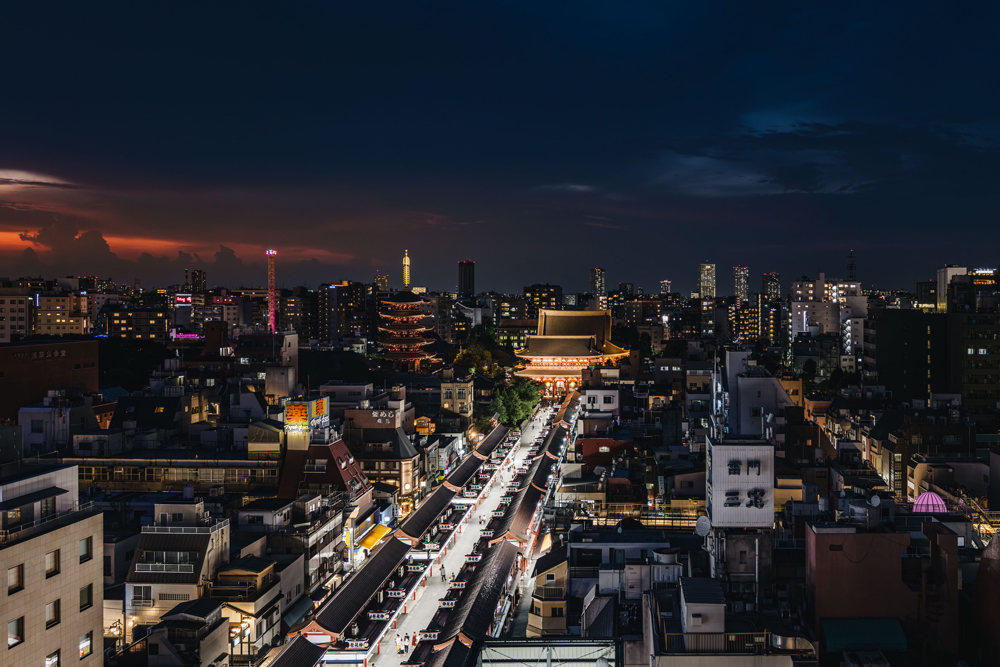
Settings: SS 1/10 f/2.8 ISO 100
Gear: RF 24-105mm f/2.8L IS USM Z, Tripod
Creative decision: A planned composition makes it easier to respond when sunset colour appears. Use roads, paths or architectural lines to guide the viewer towards the main subject, and be prepared to revisit the location if the conditions do not align.
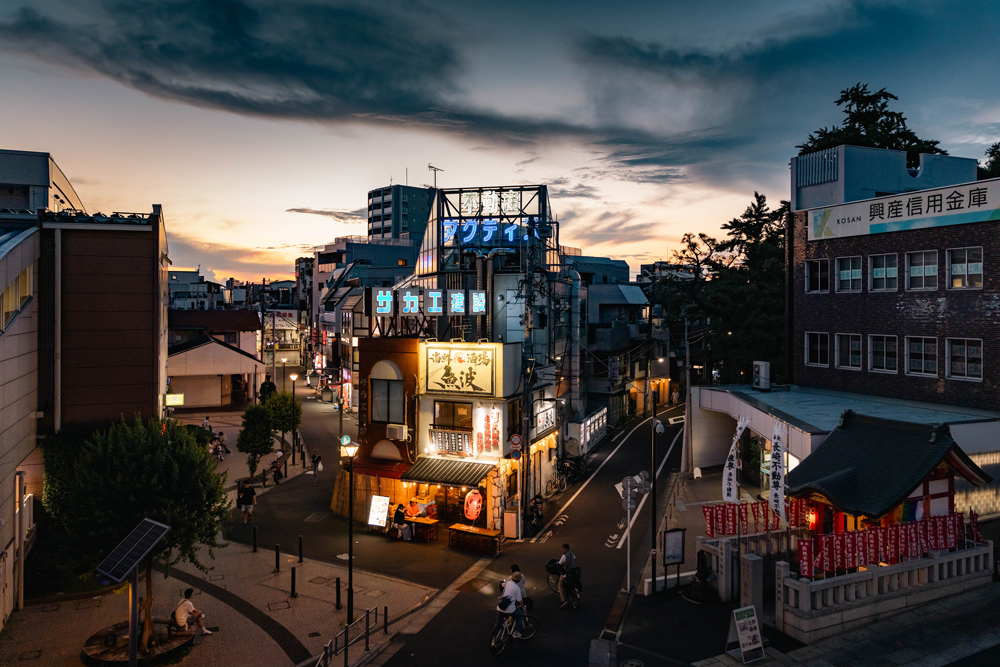
Settings: SS 1/100 f/2.8 ISO 2000
Gear: RF 24-105mm f/2.8L IS USM Z, Tripod
Timing tip: Stay after sunset as artificial lights begin to appear. The brief overlap between sky colour and illuminated streets can add depth, perspective and a clear sense of transition from day to night.
At night, illuminated signs, shopfronts, vehicle lights and reflections become part of the composition. Protect the brightest highlights, choose whether movement should be sharp or blurred, and use a slower shutter speed only when it supports the story.
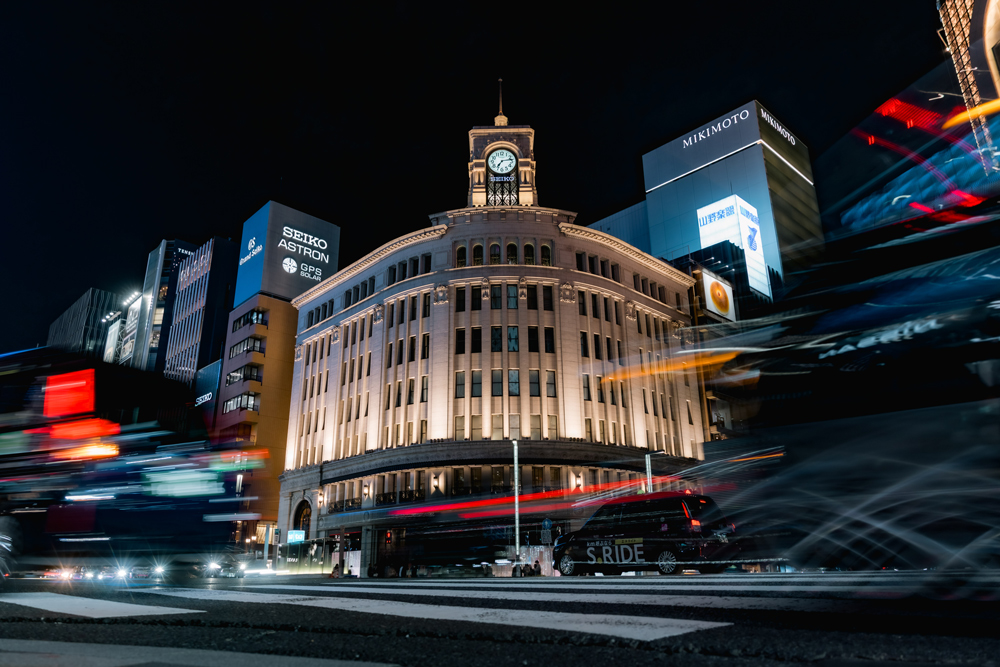
Settings: SS 0.4 f/5 ISO 100
Gear: RF 24-105mm f/2.8L IS USM Z, Handheld
Shooting technique: A low camera position can turn passing traffic into a foreground layer while keeping a recognisable building or landmark in the background. A slower shutter speed can suggest the movement and pace of the city.
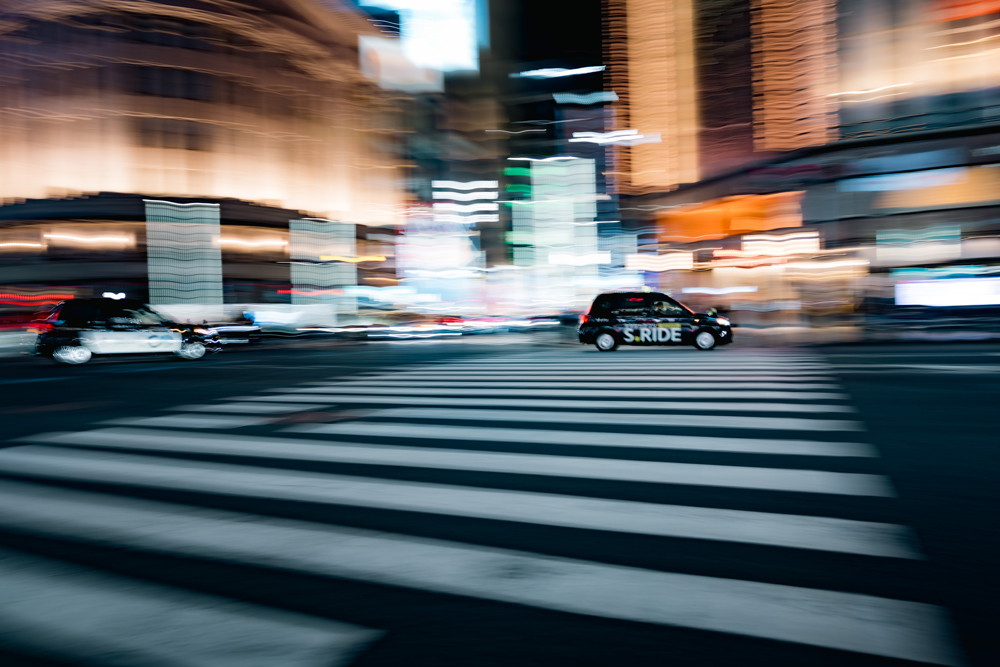
Settings: SS 0.6 f/2.8 ISO 100
Gear: RF 24-105mm f/2.8L IS USM Z, Handheld
What to notice: Panning with a moving vehicle can keep the subject more defined while stretching streetlights into lines. Match the camera movement to the subject and take several frames, as the result depends on timing and consistency.
Plan for the light. Check how the conditions are likely to change and match each location to the type of light that suits the intended image.
Slow down and observe. Watch how people move through the frame, how shadows shift and where visual relationships begin to form.
Return when the timing is right. A strong location may produce a very different result under new light or at a quieter time.
Keep an individual point of view. Well-known locations have been photographed many times, but light, timing and composition can still make the frame personal.
The best street photography setup is one that is comfortable to carry and quick to use. The options below progress from a lightweight, flexible kit to a professional setup for photographers who need greater low-light performance, resolution and control.
| Setup | Camera | Lens | Best for |
|---|---|---|---|
| Lightweight and flexible | EOS R10 | RF-S 18-150mm f/3.5-6.3 IS STM | Learning street photography with a compact, versatile setup and broad zoom range. |
| Portable full-frame prime kit | EOS R8 Mark II | RF 45mm f/1.2 STM | Photographers wanting a lightweight full-frame setup for natural perspective and lower-light shooting. |
| High-performance professional kit | EOS R5 Mark II | RF 24-105mm f/2.8L IS USM Z | Experienced photographers wanting high resolution, advanced autofocus and flexibility across changing light. |
For a smaller single-lens setup, consider the RF 28mm f/2.8 STM, RF 35mm f/1.4L VCM or RF 50mm f/1.4L VCM. Choose the focal length according to how much environment should be included and the preferred working distance.
There is no single perfect time of day for street photography. From long morning shadows and bold midday contrast to warm sunset colour and movement after dark, each change in light creates a new opportunity to photograph the street differently.
The right gear can help you respond to these changing conditions, whether that means carrying a lightweight everyday setup, using a fast prime lens in lower light or choosing a versatile zoom for greater flexibility. Ultimately, strong street photography comes from observing how light, people and place come together, then adapting your timing, composition and camera settings to capture the moment. The light will keep changing, but it is your perspective that turns an everyday moment into a photograph worth remembering.
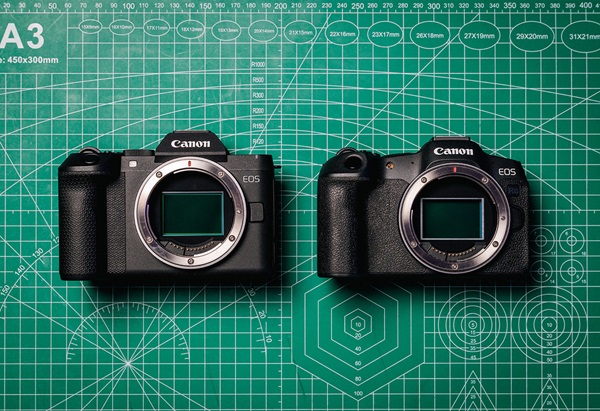
Compare the EOS R8 Mark II and EOS R8, including image pprox.ation, autofocus, video features and portability, to find the right camera.
Fashion photographer Steven Chee shows how Canon hybrid lenses capture both stills and motion with speed, versatility and style.
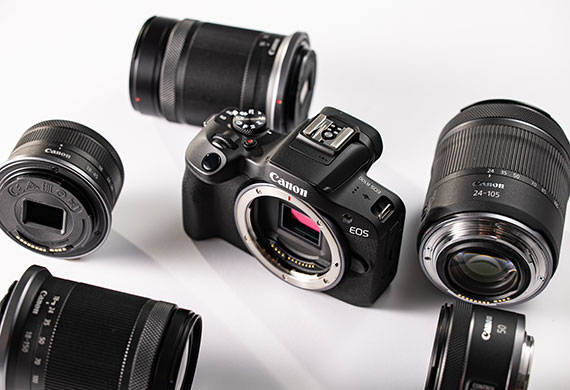
How should you pick your next lens? Learn about lens types, focal lengths, aperture, and compatibility to help you choose the perfect lens for your needs.