

Our Cinema Cameras are not just another piece of equipment; they're a passport to a realm of cinematic artistry that's ripe for exploration. A favourite among both emerging filmmakers and industry veterans, these cameras offer exceptional image quality, backed by advanced features that give you a plethora of creative options. From high dynamic range to rapid frame rates, Canon's Cinema EOS line is versatile enough to deliver exceptional performance across different genres and filming environments. Known for their seamless workflow integration, these cameras come with intuitive interfaces that simplify the filmmaking process. Whether you're shooting a high-stakes action sequence or a subtle emotional dialogue, you'll find the flexibility, dependability, and quality of our Cinema Cameras indispensable.
The best Cinema EOS camera for your filmmaking needs depends on your specific requirements, budget, and the type of projects you plan to work on. The EOS C70 combines the compact form factor of a mirrorless camera with the features of a cinema camera. It features a Super 35mm sensor, 4K recording in various codecs, and excellent low-light performance. It's a versatile choice for run-and-gun shooting. The EOS C300 Mark III camera offers a Super 35mm Dual Gain Output (DGO) sensor, which provides exceptional low-light performance and a wide dynamic range. It supports a variety of recording formats, including Cinema RAW Light and XF-AVC, and offers excellent modularity for a range of shooting scenarios. Equipped with a full-frame sensor, the C500 Mark II offers stunning image quality, impressive dynamic range, and support for multiple recording formats, including Cinema RAW Light. It's known for its versatility and ability to produce a cinematic look.
At the top of our Cinema EOS camera range is the EOS C500 Mark II which supports full frame readout as well as Super 35mm and Super 16mm modes. The DIGIC DV7 high-speed imaging processor enables 5.9K Cinema RAW Light recording and 2K 120p recording. This is best suited for high-end productions filmmakers who require full-frame capabilities and advanced cinematic work. However, depending on your specific requirements, Canon offers a choice of Cinema EOS cameras for a range of budgets and needs.
Cinema cameras are designed for professional filmmaking. They provide superior image quality, extensive control over settings, and compatibility with cinema-grade lenses as well as accessories to achieve different looks and styles with their modular design. Cinema cameras support professional recording formats, such as RAW, which provide greater flexibility in post-production and colour grading. They also provide a variety of frame rates for creative control over motion. Professional video cameras, on the other hand, have a traditional camcorder design, focused on ease of use and comfort for extended handheld operation, making them more suitable for applications like news reporting and event coverage.
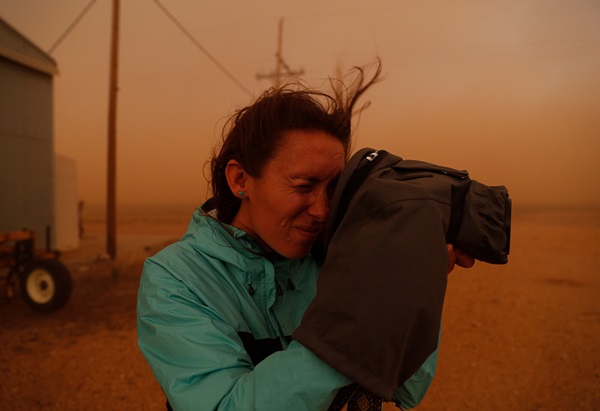
Krystle Wright shares her ten top lessons for navigating the journey from stills photography to filmmaking, and advice for creating a short film in today’s industry.
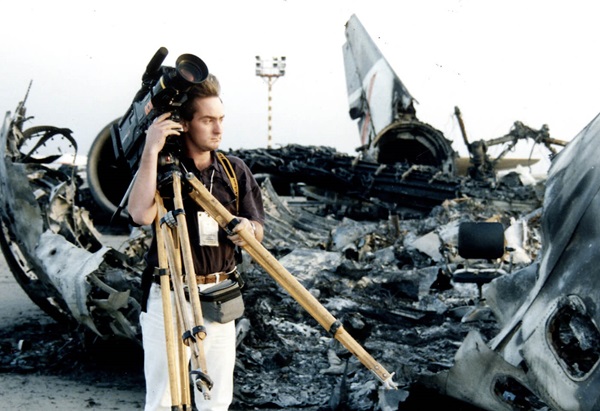
Andy Taylor, one of Australia’s foremost cinematographers and news cameramen talks tools of the trade for cinematographers; recommended camera settings for news and documentary shooting; tips for working with Netflix; and, five pieces of career advice to help aspiring videographers.
Talented Australian film director, Andrew Kaineder, is passionate about communicating authentic and honest storytelling through his work.