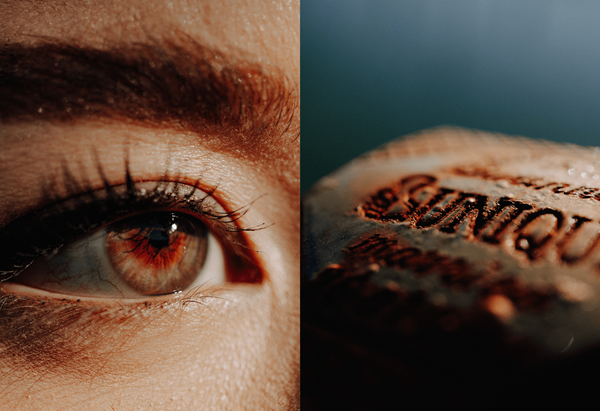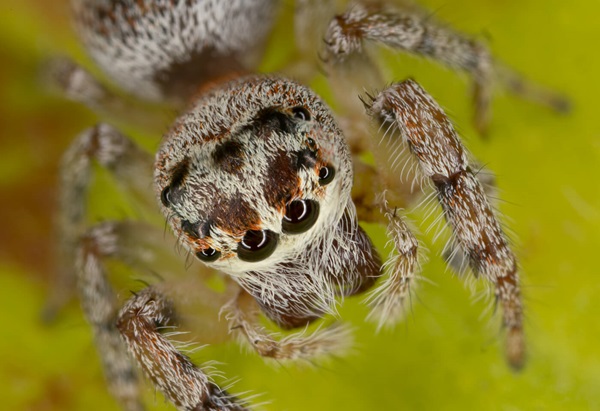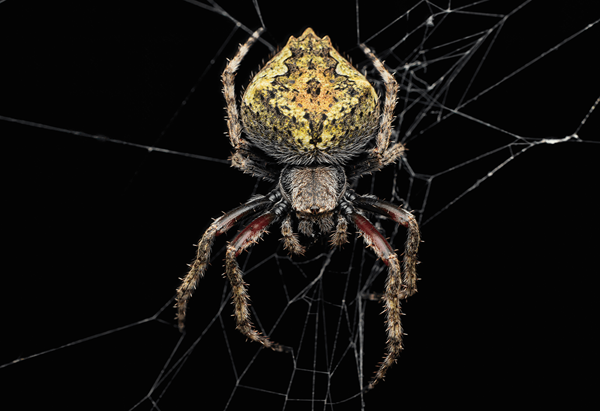


Our macro lenses stand out for their exceptional quality and performance. They are specifically designed to handle the unique requirements of macro photography, delivering sharp, detailed images at close distances. With features like life-size magnification, precise autofocus, and wide maximum apertures, Canon macro lenses ensure your images are vibrant and crisp. They are versatile too, suitable for various photography genres beyond macro, like food, portrait and product photography making them an indispensable tool for every photographer’s kit.
A macro lens is a specialised camera lens designed for extreme close-up photography, capturing intricate details often invisible to the naked eye. It's capable of reproducing small subjects at life-size or even greater magnifications.
A macro lens allows for closer focusing distances than standard lenses, enabling you to get very close to your subject while maintaining sharpness and detail. They have wide apertures allowing you to have a shallow depth of field, isolating your macro subject from the background.
If you're interested in close-up photography, such as shooting insects, flowers, or detailed textures, a macro lens is perfect additional to your kit.
Absolutely. Macro lenses can be versatile, doubling as excellent lenses for general photography, including portraits, food and product, thanks to their high sharpness and ability to focus closely. While designed for close-up photography, they perform superbly for a variety of shots, offering crisp image quality.
Yes. Macro lenses are great for portraits, providing sharp focus and a unique perspective due to their close-focusing abilities and often wide apertures, giving you that beautiful background blur.
Consider the focal length for desired working distance, maximum aperture for light and depth of field control, and compatibility with your camera body when choosing a macro lens.
To use a macro lens, approach your subject closely and with care, adjust the focus to achieve sharp detail, experiment with different apertures to achieve the desired effect. A wide aperture (small f-stop value) will give you a shallow depth of field helping your subject stand out against a blurred background. A high f-stop value will give you a more detailed background. Consider using the camera’s built-in timer to trigger the shutter without physically touching it to minimise camera shake. A tripod can also be helpful for stability.
A 100mm macro lens is ideal for close-up photography for tiny subjects like insects, flowers and plants. With a comfortable working distance and 100mm focal length it offers a medium telephoto perspective ideal for wildlife. The RF 100mm f/2.8L Macro IS USM specifically lets you get close with images larger than life with 1.4x magnification and minimum focusing distance of 26cm. It’s the first lens with a Spherical Aberration Control ring that lets you vary the bokeh along with a soft-focus effect, making it also an amazing portrait lens.
Macro lenses allow you to capture the most intricate details of your subject, making these types of lenses perfect for plants, wildlife, product, portraits and even landscapes. Discover how to choose the perfect macro lens for your camera with our expert guide.
Step up your macro photography skills with Grand Master photographer Jacqui Dean. Tips on everything from focus stacking to specialised gear and lighting.
Today, we are taking a dive into how Bryce McQuillan, a professional Macro photographer find subjects to shoot in his backyard featuring, the Canon RF 100mm F2.8L macro USM.